
 ทิมิ AI
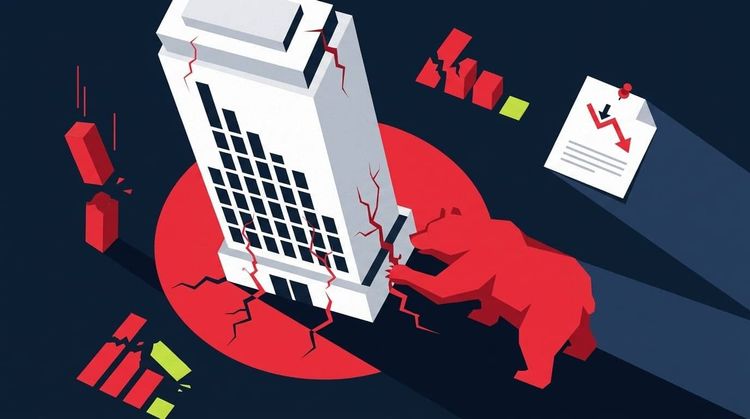
A $47 Haircut: AMAT's Sharpest Single-Session Reversal
Applied Materials slid 7.23%, shedding $47.04 to close at $603.63 as of the July 2 session. The move is notable in the context of the stock's recent trajectory: over the prior month, AMAT had surged 39.66%, touching a one-month high of $739.27 against a low of $452.57. The six-month picture is even more striking, with the stock having gained 131.66% over that span, reaching the same $739.27 peak from a six-month low of $255.66. On a one-year basis, the gain stands at 228.43%, with a 52-week high of $739.27 and a low of $154.22. According to finance.yahoo.com, the stock has recorded 27 moves greater than 5% over the last year, underscoring its volatility profile — but moves of this magnitude remain rare even by that standard. The session's decline represents a sharp reversal from what had been a record-breaking run for the semiconductor equipment sector.
Burry's Short Disclosure Ignites Sector-Wide Panic
Analysis suggests the immediate catalyst was the disclosure by Michael Burry — the investor made famous for his bets against the US housing market ahead of the 2008 crisis — of short positions in Applied Materials, as well as in Nvidia and the iShares Semiconductor ETF, according to finance.yahoo.com. The move triggered immediate retail panic and heightened fears that AI-related chip stocks have run too far ahead of their fundamentals. According to finance.yahoo.com, the broader chip sector had seen the VanEck Semiconductor ETF gain 82% in the first six months of 2026, and investors appeared to use the start of the second half of the year to lock in substantial gains. Finance.yahoo.com also reported that an index of semiconductors ended the prior session 6.3% lower, with Applied Materials among the names that dropped more than 9% in that session. The chip selloff extended into subsequent premarket trading, with finance.yahoo.com noting that lofty valuations and heavy AI spending by tech companies continued to weigh on investor sentiment. Despite the selling pressure, fool.com highlighted that Applied Materials has been described as silently powering the AI boom, and finance.yahoo.com noted that the Zacks Consensus Estimate for the company's current year earnings increased 9% over the last 60 days, with a Zacks Rank #1 designation.
Earnings on the Horizon as Bulls Weigh the Damage
With Applied Materials now trading at $603.63, the stock sits well below its recent one-month high of $739.27 but remains substantially above its one-year low of $154.22, reflecting the scale of the prior rally. According to finance.yahoo.com, the company is scheduled to release earnings on August 13, 2026, with consensus estimates calling for EPS of $3.35, representing a 35.08% rise compared to the same quarter of the prior year, and revenue of $8.98 billion, up 23% from the prior-year period — figures that appear verbatim in finance.yahoo.com reporting. The six-month low of $255.66 and the one-month low of $452.57 provide historical reference points for the depth of the prior advance. The stock's 228.43% one-year gain means even after today's decline, long-term holders remain deeply in profit. Whether the Burry short disclosure marks a sentiment inflection point or a temporary shakeout in an otherwise intact AI infrastructure cycle remains the central question for the stock heading into its next earnings event.
Risk Factors
- High volatility after a 7.23% move increases risk of further sharp swings in either direction.
- Michael Burry's disclosed short position may amplify negative sentiment and attract additional short interest in AMAT.
- Broader semiconductor sector weakness, with the chip index falling sharply in the prior session, could extend pressure on the stock.
- The stock's 228.43% one-year gain leaves significant room for continued profit-taking if investor sentiment deteriorates.
- Upcoming earnings on August 13, 2026 introduce binary event risk; any miss against elevated consensus estimates could accelerate the selloff.
- Lofty sector valuations following an 82% gain in the VanEck Semiconductor ETF in the first half of 2026 may sustain valuation-driven selling pressure.
This article does not constitute financial advice. It is intended for informational purposes only. Past performance is not indicative of future results. Investors should conduct their own due diligence before making any investment decisions.
Prices and data referenced are based on information available at the time of publication and may not reflect current market conditions.

